GUIDES
How often do Nintendo games go on sale?
The answer splits in two: third-party Switch games discount constantly, and Nintendo's own games barely move. Here is the real frequency for each, and how to time a purchase around it.
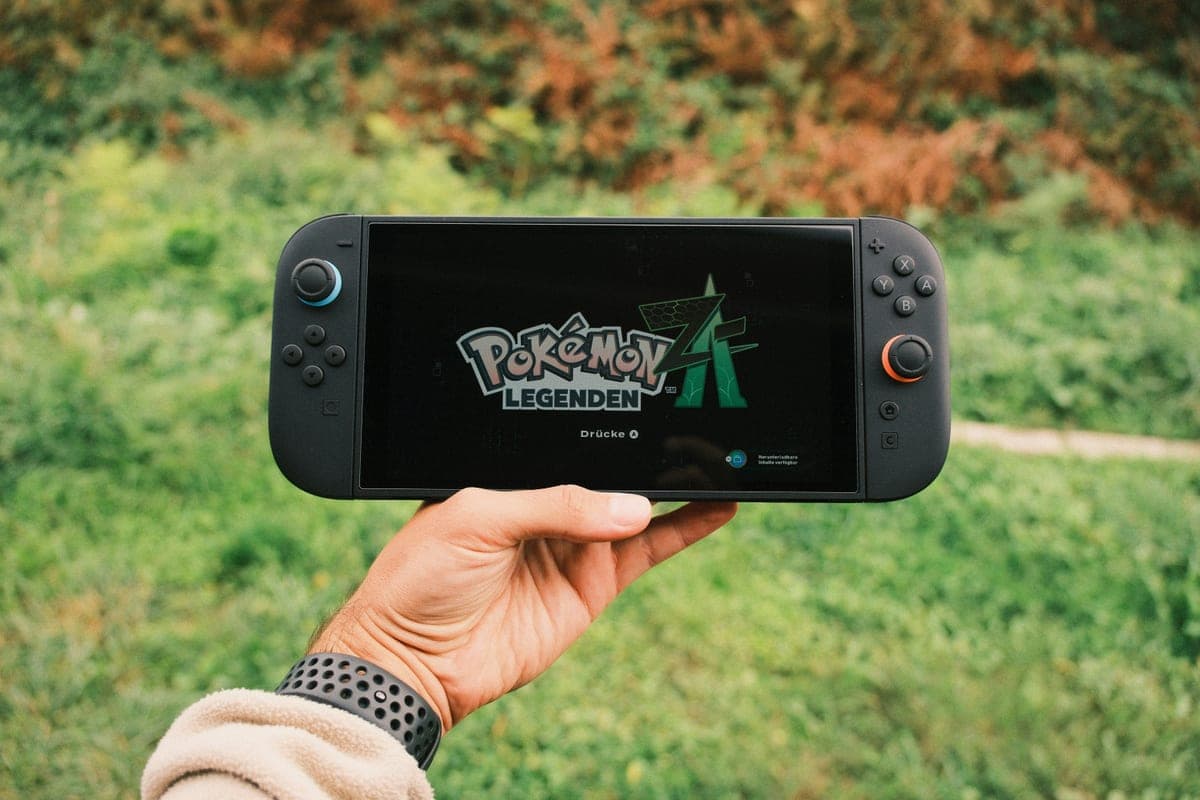
"How often do Nintendo games go on sale?" has two completely different answers, and knowing which one applies to the game you want is the difference between saving half the price and waiting three years for nothing. Third-party and indie Switch games discount constantly — something worth buying is on sale in the eShop every single week. Nintendo's own published games discount rarely, shallowly, and on their own schedule.
This page is about frequency: how often a discount actually lands, how deep it goes, and how long you should be willing to wait. For the calendar of eShop store events themselves, see our Nintendo eShop sale dates guide, which lays out the recurring seasonal windows.
Third-party and indie games: constantly
The eShop refreshes its deals every week, year-round. In practice that means:
- Weekly rotation. A new batch of discounts appears each week and the previous batch ends. Any given third-party game is likely to appear in one of these rotations several times a year.
- Publisher sales on top.Individual publishers run their own multi-day events repeatedly through the year, which is where a specific studio's whole catalog drops at once.
- Seasonal events several times a year.The broader eShop events — spring, mid-year, the Black Friday period and the December holiday sale — are where the deepest and widest cuts land.
For a popular indie, a realistic expectation is a meaningful discount every couple of months, with the best price of the year usually arriving in the November or December window. Waiting three or four weeks for a specific game to come round again is usually a reasonable bet; waiting six months for something dramatically better than its known floor price is not.
Nintendo's own games: rarely, and not by much
Mario, Zelda, Pokemon, Splatoon, Animal Crossing and the rest of Nintendo's published catalog behave completely differently. These games hold their launch price for years, and when they do move, the cut is modest rather than dramatic. There is no version of the sale calendar where a flagship first-party game becomes a bargain the way a third-party game does.
The reason is straightforward commercial strategy: Nintendo's titles keep selling steadily for years, so the company has no reason to train buyers to wait. Anyone who has watched a six-year-old Mario game sit at its original price through four holiday seasons has seen the policy in action.
If a first-party game is what you want, the realistic routes to paying less are:
- Buy the cartridge, not the download. Retailers discount physical copies on their own terms, especially around Black Friday. Nintendo controls the eShop price; it does not control what a shop does with its stock.
- Buy second-hand. A used cartridge is the only reliable way to take a large chunk off a first-party price, and cartridges are durable.
- Accept the price and use points. Digital eShop purchases earn Gold Points, which come off a later purchase. It is a small percentage rather than a discount, but it is the only one Nintendo reliably offers on its own games.
How long should you actually wait?
Use the game's publisher to set your patience:
- Indie or third-party, released over a year ago: wait. It will hit its usual floor within a couple of months, and there is no urgency.
- Third-party, released in the last few months: expect the first real cut around the three-month mark, with better ones at each seasonal event after that.
- Nintendo first-party, any age: do not wait for the eShop. Decide whether the asking price is worth it, then look at physical or second-hand copies if it is not.
The general release-to-discount curve behind all of this — which applies to every platform, not just Nintendo — is broken down in when do games go on sale.
The practical routine
- Check who published it before you decide to wait. If the publisher is Nintendo, waiting is mostly wasted time. If it is anyone else, waiting works.
- Learn the game's floor price. Nearly every third-party Switch game has a price it keeps returning to. That number, not the discount percentage, is your buy signal. Our price-tracking guide covers how to find it.
- Check the eShop weekly, or do not check at all. The deals rotate every week, so a two-minute look at the sale page is enough. Anything more than that is a hobby, not a saving.
- Buy first-party physical.It is the only lever that consistently works on Nintendo's own games, and cartridges keep resale value.
- Do not buy an eShop code from a discount key site. The saving is small and the risk of a revoked code is not. Our gray-market key guide explains why.
Put together: treat third-party Switch games as things you buy on sale by default, and treat Nintendo's games as fixed-price purchases you either want at the asking price or buy second-hand. That single distinction saves more money than any amount of refreshing the store page.
Questions
Frequently asked
01How often does the Nintendo eShop have sales?
02Do Nintendo first-party games ever go on sale?
03When is the biggest Nintendo sale of the year?
04How long do eShop sales last?
05Is it cheaper to buy Switch games digitally or physically?
Keep reading
Related on Penny & Pixel
- When do eShop sales refresh?What day to check, and when deals expire.
- Nintendo eShop sale datesThe recurring calendar of eShop events.
- How to buy Switch games cheapEvery lever for paying less on Switch.
- Best Switch games under $30What to buy once the price is right.
- When do games go on sale?The discount curve across all platforms.
Sources