HUB 04 / GUIDES
Stop paying full price — learn the deal cycle
When games go on sale, where to buy them safely, and how to pay less on every platform. The timing knowledge that turns a full-price buyer into a cheap one.
Everything in this hub
Browse deal guides
Buyer's guide
Steam sale schedule: when the big sales actually land
A calendar reference for Steam's recurring seasonal and weekly sales, using historical windows — not invented dates.
Read the guide →
Buyer's guide
Nintendo eShop sale dates: the recurring calendar
A calendar reference for the eShop's recurring sale patterns, using historical windows, and why first-party rarely discounts.
Read the guide →Buyer's guide
When do video games go on sale?
The discount-curve explainer: first cut around three months, deeper at each seasonal sale, with the Nintendo first-party exception.
Read the guide →
Buyer's guide
How to buy games cheaper: the playbook
A numbered playbook for buying games cheaper the safe way: wishlists, alerts, seasonal timing, historical lows, bundles and subscriptions.
Read the guide →Buyer's guide
Where to buy cheap games safely
The authorized-store buyer's guide: Amazon, Steam, eShop, PSN and Xbox, plus how to avoid edition confusion and the gray market.
Read the guide →
Head to head
Physical vs digital games: which is actually cheaper?
A side-by-side comparison of physical vs digital games: price, resale, sale depth, convenience and loss risk, per platform.
Read the guide →Buyer's guide
Are gray-market game keys safe?
How gray-market key sites work, the real risks — revoked keys, region locks, chargebacks, no refunds — and why we recommend authorized stores.
Read the guide →
Buyer's guide
PlayStation Store sale schedule: when PS sales actually land
A calendar of PlayStation Store sales, their historical windows, and how to time your buys instead of paying full price.
Read the guide →
Buyer's guide
Xbox sale schedule: when the Microsoft Store sales land
The Xbox sales that come back every year, when they historically land, and how to time your buys around them.
Read the guide →
Buyer's guide
Prime Day game deals: what actually gets cheap
A plain-English guide to Amazon Prime Day gaming: what gets genuinely cheap, when it happens, and how to spot a real deal.
Read the guide →
Buyer's guide
Black Friday game deals: the ones actually worth it
What actually gets cheap on Black Friday and Cyber Monday, how to spot a real deal from a gimmick, and how to plan your buys.
Read the guide →Buyer's guide
How to track game prices (and never overpay again)
Track a game's real price history with free tools, set drop alerts, and buy only when it's at or near its all-time low.
Read the guide →
Buyer's guide
How to get free games, legally
A full map of legal free games: weekly store freebies, subscription libraries, free-to-play, demos, betas, and the sketchy sites to avoid.
Read the guide →Buyer's guide
Is Xbox Game Pass worth it? An honest value breakdown
An honest look at whether Xbox Game Pass beats buying cheap games outright, with the break-even math for budget players.
Read the guide →Buyer's guide
Is PS Plus worth it? An honest value breakdown
An honest look at PlayStation Plus for budget gamers: the three tiers, the online-play catch, and when buying cheap games wins.
Read the guide →Buyer's guide
Epic Games Store free games: how the weekly giveaway works
How the Epic Games Store weekly free games work — how to claim them, whether you keep them, and how to build a free PC library.
Read the guide →Buyer's guide
How to spot a fake game discount
The tricks storefronts use to fake a discount — inflated reference prices, permanent 'sales', fake urgency — and how to see through them.
Read the guide →Buyer's guide
Are game subscriptions worth it? A budget buyer's framework
A budget buyer's framework for game subscriptions — how to do the math on Game Pass, PS Plus and the rest, and when to subscribe.
Read the guide →Buyer's guide
Xbox Game Pass vs PS Plus: which subscription is better value?
The two big game subscriptions compared on library, day-one releases, tiers and value — which is worth your money.
Read the guide →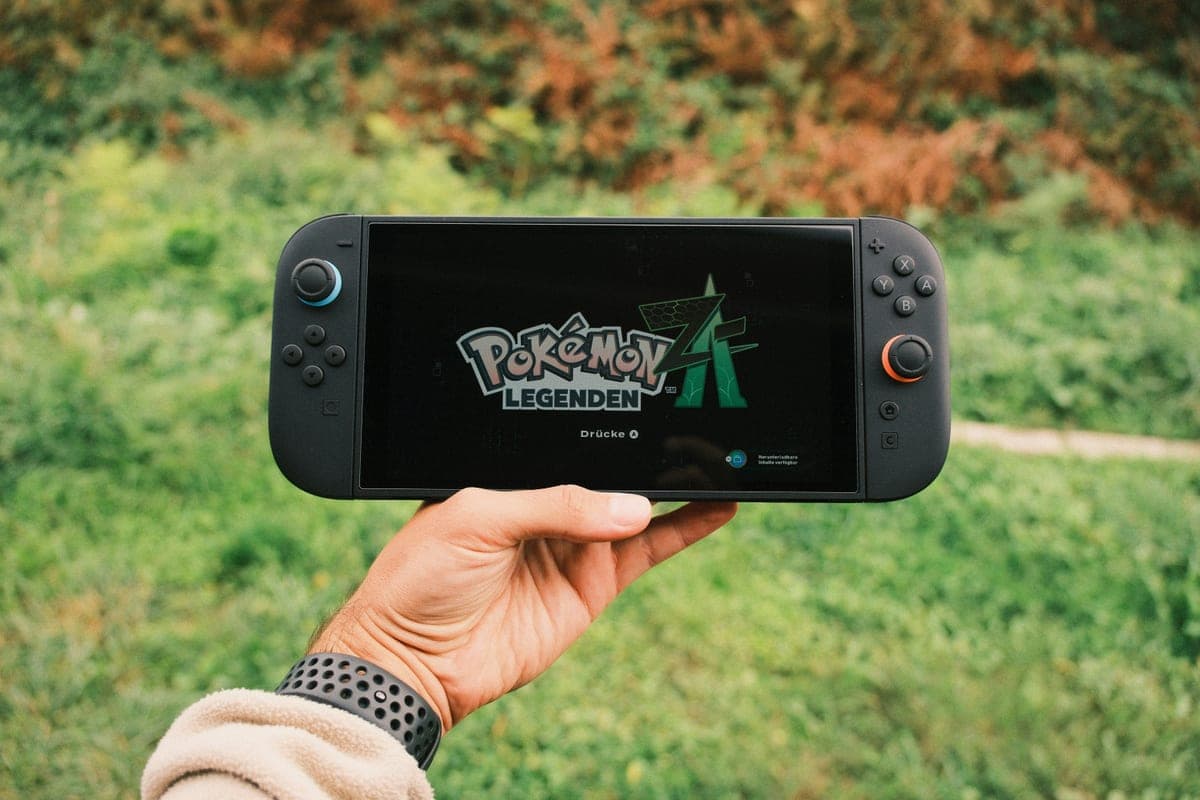
Buyer's guide
How often do Nintendo games go on sale?
The real discount frequency for Switch games — constant for third-party, rare and shallow for Nintendo's own — and how to time a buy around each.
Read the guide →Buyer's guide
How long do Steam sales last?
How long each type of Steam sale runs, what time sales start and end, and why the countdown timer is not a reason to rush.
Read the guide →Buyer's guide
Steam Winter Sale dates: when the December sale lands
The historical December window for the Steam Winter Sale, how long it runs, and how to plan your buys around the year's biggest event.
Read the guide →
Buyer's guide
The cheapest way to play new games
Realistic ways to play recent releases without paying full price — subscriptions, the discount curve, physical resale and rentals, ranked by what they actually save.
Read the guide →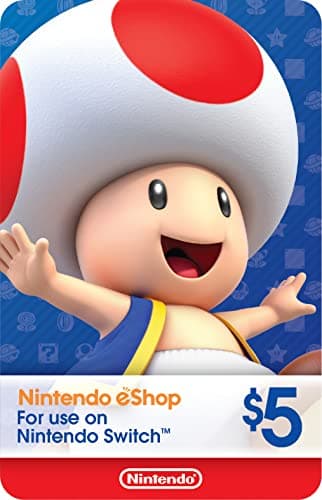
Buyer's guide
How to buy Switch games cheap
Every legitimate lever for paying less on Switch — eShop timing, Gold Points, cartridges and resale — and which ones actually work.
Top pick · Nintendo eShop Gift Card
$5.00View on AmazonPrice as of October 20, 2026. Prices change — Amazon's is the one that counts.
#ad · we may earn a commission from this link to Nintendo eShop Gift Card
1 picks · 1 with live prices
Buyer's guide
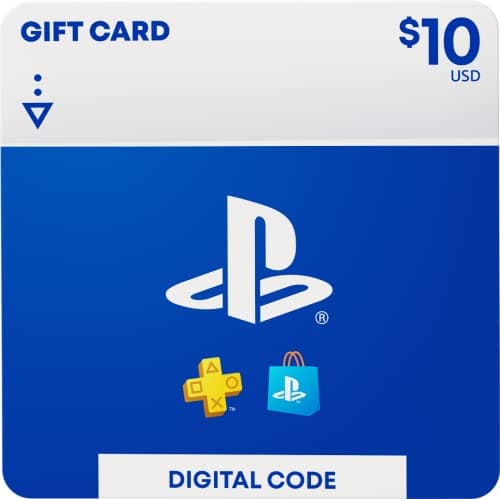
How to buy PS5 games cheap
Every legitimate lever for paying less on PS5 — store sale timing, PS Plus discounts, PS4 versions, discs and resale.
Top pick · PlayStation Store Gift Card
$10.00View on AmazonPrice as of October 20, 2026. Prices change — Amazon's is the one that counts.
#ad · we may earn a commission from this link to PlayStation Store Gift Card
1 picks · 1 with live prices
Buyer's guide
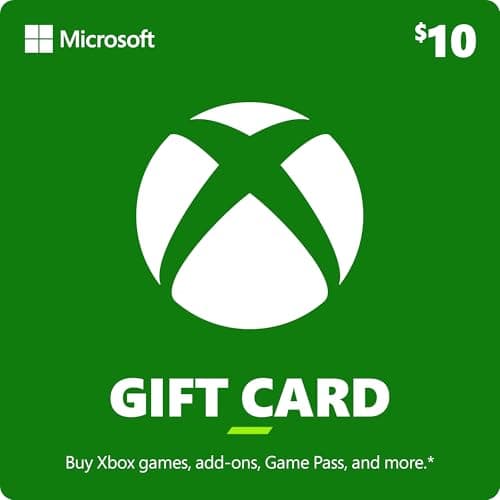
How to buy Xbox games cheap
Every legitimate lever for paying less on Xbox — Game Pass, backwards compatibility, Rewards points, weekly deals and discs.
Top pick · Xbox Gift Card
$10.00View on AmazonPrice as of October 20, 2026. Prices change — Amazon's is the one that counts.
#ad · we may earn a commission from this link to Xbox Gift Card
1 picks · 1 with live prices

Buyer's guide
Steam Summer Sale dates: when the June sale lands
The historical late-June window for the Steam Summer Sale, how long it runs, its start and cut-off times, and how to plan your buys.
Read the guide →Buyer's guide
Steam Autumn Sale dates: the window moved to early October
The Steam Autumn Sale left Thanksgiving week in 2025 and now runs in early October. Confirmed dates, duration, and whether to buy now or wait for December.
Read the guide →Buyer's guide
Steam Spring Sale dates: the least reliable event on the calendar
The historical mid-March window for the Steam Spring Sale, why it is the least dependable seasonal event, and what to plan around instead.
Read the guide →Buyer's guide
When do eShop sales refresh?
How the eShop's rolling discount cycle really works — when deals appear, when they expire, and the two-minute weekly check that catches them.
Read the guide →Head to head
Physical vs digital Switch games: which actually costs less?
Cartridge or download on Switch? Resale value, discount depth, Gold Points, storage cost and the first-party rule that decides most of it.
Read the guide →Head to head
Physical vs digital PS5 games: which saves more?
Discs or downloads on PS5? Resale value, PS Store discount depth, the disc-drive question, and the cheap PS4 back catalog that changes the math.
Read the guide →Buyer's guide
Is Nintendo Switch Online worth it?
The two Nintendo Switch Online tiers, what the Expansion Pack really adds, why the Family plan is the value lever, and when to skip it.
Top pick · Nintendo eShop Gift Card
$5.00View on AmazonPrice as of October 20, 2026. Prices change — Amazon's is the one that counts.
#ad · we may earn a commission from this link to Nintendo eShop Gift Card
1 picks · 1 with live prices
Buyer's guide
The game sale calendar: every store's dates in one place
Announced and expected sale dates for Steam, the Nintendo eShop, PlayStation Store and Xbox — one calendar, with the history behind every prediction.
Read the guide →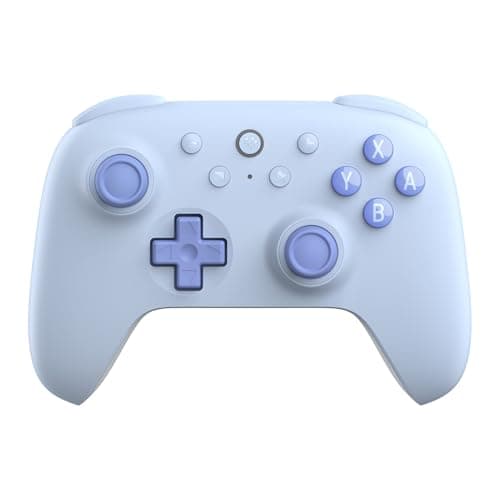
Buyer's guide
When does gaming gear go on sale?
The real discount cadence for controllers and headsets, why it ignores the store sale calendars, and the cited 2025 lows worth waiting for.
Top pick · 8BitDo Ultimate 2C Wireless Controller
$29.99View on AmazonPrice as of October 20, 2026. Prices change — Amazon's is the one that counts.
#ad · we may earn a commission from this link to 8BitDo Ultimate 2C Wireless Controller
4 picks · 4 with live prices
Buyer's guide
Do PS4 games work on PS5?
Most PS4 games play on a PS5 — but not on a Digital Edition, and not without caveats Sony publishes. The limitations list, the upgrade rules, and three cheap discs that prove the point.
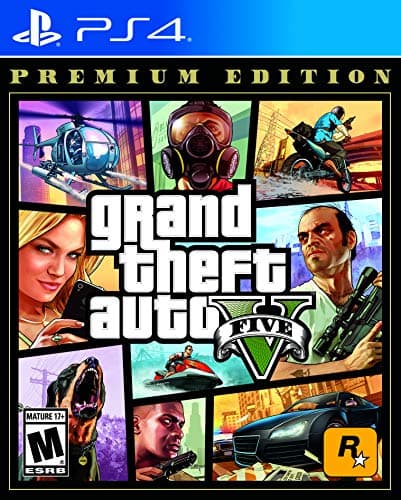
Top pick · Grand Theft Auto V: Premium Edition
$19.93View on Amazon$22.5312% off
Price as of October 20, 2026. Prices change — Amazon's is the one that counts.
#ad · we may earn a commission from this link to Grand Theft Auto V: Premium Edition
3 picks · 2 with live prices
Buyer's guide
Remaster vs remake: the difference, and which one to buy
Remaster, remake, port and HD edition — what each word actually promises, which is the better value, and four discs that show the difference in practice.
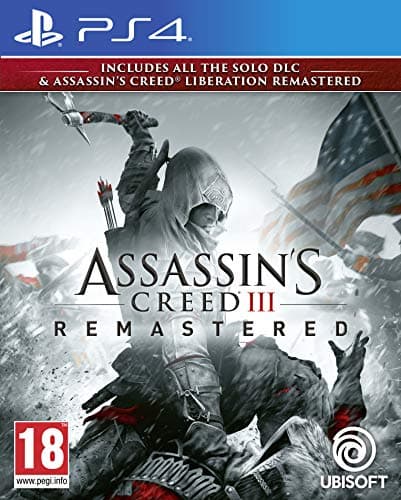
Top pick · Assassin's Creed III Remastered
$28.00View on AmazonPrice as of October 20, 2026. Prices change — Amazon's is the one that counts.
#ad · we may earn a commission from this link to Assassin's Creed III Remastered
4 picks · 4 with live prices
Buyer's guide
What does definitive edition mean in games?
Definitive, Complete, Gold, Ultimate and Royal, decoded — which suffixes mean bundled DLC, which mean cosmetics, and four discs where the loaded edition is the budget pick.
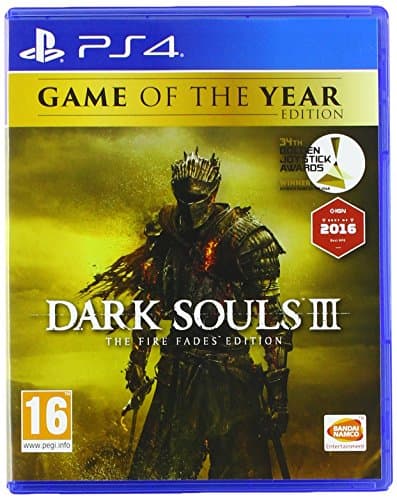
Top pick · Dark Souls III: The Fire Fades Edition
$24.40View on AmazonPrice as of October 20, 2026. Prices change — Amazon's is the one that counts.
#ad · we may earn a commission from this link to Dark Souls III: The Fire Fades Edition
4 picks · 3 with live prices
Buyer's guide
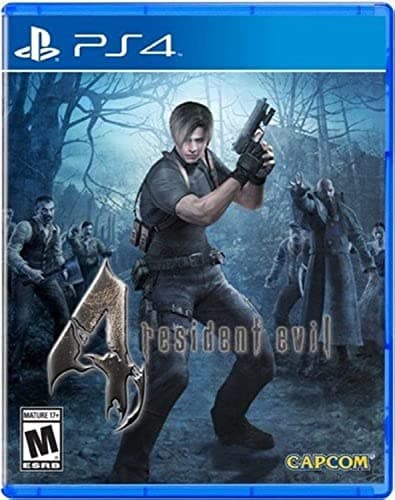
Are used games worth it?
When used is the right buy, when it is not, and why the DLC is the part that does not transfer — plus three discs where buying new at a back-catalog price beats hunting for used.
Top pick · Resident Evil 4
$19.29View on AmazonPrice as of October 20, 2026. Prices change — Amazon's is the one that counts.
#ad · we may earn a commission from this link to Resident Evil 4
3 picks · 3 with live prices
Buyer's guide
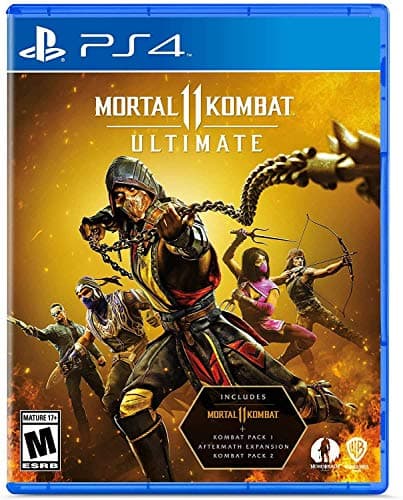
What is a season pass in video games?
What a season pass actually buys, what it never promises, and why the budget shopper's move is to wait for the box that already includes it — with four discs where the pass content is already in the price, and one where it is not.
Top pick · Mortal Kombat 11 Ultimate
Check price on Amazon →No buyable offer at the last price check (October 20, 2026). We show nothing rather than a stale number.
#ad · we may earn a commission from this link to Mortal Kombat 11 Ultimate
4 picks · 3 with live prices
Buyer's guide
Do Switch games work on Switch 2?
What Nintendo actually says about playing original Switch games on Switch 2, which categories of game have published problems, the microSD card trap nobody warns you about, and why cheap Switch games are now a two-console purchase.
Top pick · Stardew Valley
$14.89View on AmazonPrice as of October 20, 2026. Prices change — Amazon's is the one that counts.
#ad · we may earn a commission from this link to Stardew Valley
4 picks · 4 with live prices
Buyer's guide
Are games region locked?
Nintendo says its game cards are not region locked; PlayStation says an account's country can never be changed. The useful distinction between region-free media and region-locked accounts, stores and credit.
Top pick · Nintendo eShop Gift Card
$5.00View on AmazonPrice as of October 20, 2026. Prices change — Amazon's is the one that counts.
#ad · we may earn a commission from this link to Nintendo eShop Gift Card
3 picks · 3 with live prices
Buyer's guide
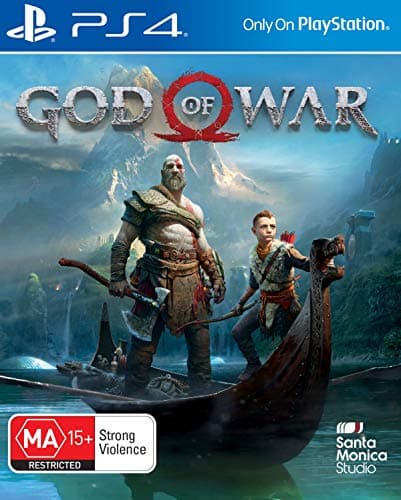
Is a PS4 still worth it in 2026?
An honest 2026 verdict on buying into PlayStation's last generation: what the cheap library gets you, what Sony has changed about PS Plus for PS4, and the four games that make the case.
Top pick · God of War (2018)
$21.95View on AmazonPrice as of October 20, 2026. Prices change — Amazon's is the one that counts.
#ad · we may earn a commission from this link to God of War (2018)
4 picks · 4 with live prices
Buyer's guide
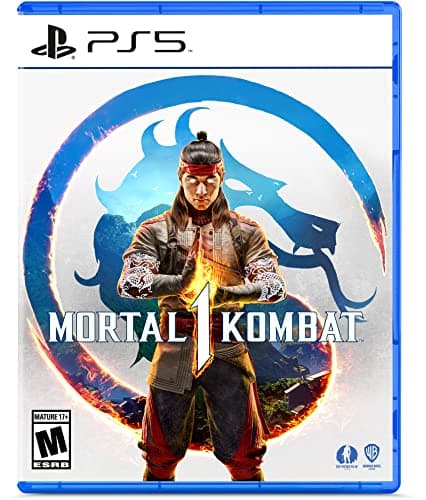
Why do games cost $70 now?
The documented story of the $59.99 to $69.99 to $79.99 escalation, including the $80 attempt that got reversed - and the four recent full-price games that show how fast that number falls.
Top pick · Mortal Kombat 1
$22.99View on AmazonPrice as of October 20, 2026. Prices change — Amazon's is the one that counts.
#ad · we may earn a commission from this link to Mortal Kombat 1
4 picks · 4 with live prices
Buyer's guide
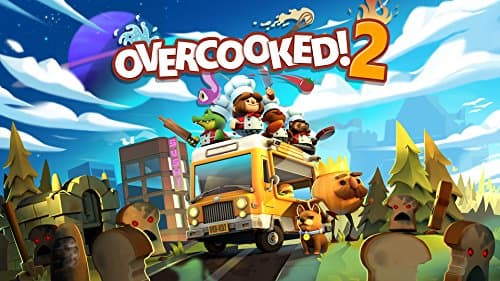
What do ESRB ratings mean?
The ESRB's six rating categories in their own words, what content descriptors actually indicate, and why the Interactive Elements line matters more than the letter when you are buying for a child.
Top pick · Overcooked! 2
$24.99View on AmazonPrice as of October 20, 2026. Prices change — Amazon's is the one that counts.
#ad · we may earn a commission from this link to Overcooked! 2
4 picks · 4 with live prices
Buyer's guide
What happens when game servers shut down?
What publishers actually commit to when they retire a game's online services, which cheap games are most exposed, and the one question to ask before buying any discounted online game.
Top pick · Mortal Kombat 11 Ultimate
Check price on Amazon →No buyable offer at the last price check (October 20, 2026). We show nothing rather than a stale number.
#ad · we may earn a commission from this link to Mortal Kombat 11 Ultimate
4 picks · 3 with live prices
This hub is the part of the site that makes the rest of it optional. Once you know how the sale cycle works, you stop needing anyone to hand you a deal — you can see the next one coming. That's the difference between a budget buyer and someone who just gets lucky occasionally.
Digital storefronts run sales on a rhythm. Steam has four tentpole sales a year plus regular themed events; the Nintendo eShop and the PlayStation and Xbox stores run their own recurring discounts; Amazon layers Prime Day and Black Friday on top. None of it is secret, but almost nobody writes it down clearly in one place. These guides do.
What's in here
The Steam sale schedule and Nintendo eShop sale dates are calendar references — when the big sales land, based on years of history. When do games go on sale explains the discount curve a game follows from launch to bargain bin. How to buy games cheap is the practical playbook: wishlists, price alerts, regional pricing, bundles and subscriptions. And where to buy cheap games plus are gray-market game keys safe cover buying cheaply without getting burned.
The other half of the hub decodes what you are being sold, because the box and the store page are written to be read quickly. What is a season pass explains the add-on bundle publishers sell before the add-ons exist, and why the complete edition is almost always the cheaper way to end up owning the same content; what does definitive edition mean decodes every suffix on the shelf; and remaster vs remake explains why one of those usually includes the DLC and the other never does. Why do games cost $70 now traces the launch price from $59.99 to the $79.99 attempt, and what do ESRB ratings meandecodes the other label on the box — including the line that tells you whether a game will ask a child for money.
A third group answers the questions that decide whether a cheap purchase keeps working. Do Switch games work on Switch 2 and is a PS4 still worth it cover the two generation changes a budget buyer is living through; are games region locked explains why an imported disc is usually fine and imported store credit usually is not; and what happens when game servers shut down is the question to ask before buying any discounted online game.
Why timing beats hunting
You can spend hours hunting for the cheapest current price on a specific game, or you can spend two minutes learning that the game you want is always 70% off during the Summer Sale and just wait three weeks. The second approach saves more money for less effort, every single time. A wishlist with price alerts plus a rough sense of the calendar does more for your wallet than any deal-comparison tool.
Cheap, but safe
The cheapest listing you'll ever see is usually a gray-market key site, and it comes with real risk: keys can be region-locked, revoked, or bought with stolen cards and later canceled — with no refund. We only ever recommend authorized stores, and the gray-market guide explains exactly what you're trading away for that last couple of dollars. Spoiler: it's not worth it.
Questions