A season pass is a bundle of downloadable content sold in advance, usually before most of that content has been finished. You pay once, and as each piece arrives over the following year or two it unlocks for you at no further charge. PlayStation's own support documentation puts it in the plainest possible terms: "DLC is downloadable content that can be purchased separately from the main game," and "You can purchase bundles that contain multiple types of add-ons, such as season passes."
That is the whole mechanism. A pass is not a subscription — nothing recurs and nothing expires. It is not a service tier like PS Plus or Game Pass, which rent you a rotating library; the comparison between those two models is are game subscriptions worth it. A season pass is a pre-order, and what it pre-orders is a list of things that mostly do not exist yet.
Which is why it matters to a budget buyer. Everything about a pass is designed for the person buying a game on release week, and this site is written for the person buying it eighteen months later. For us the pass is almost never the thing to buy — the thing to buy is the box that already contains it, because publishers eventually repackage the game and the pass together, call it Complete or Ultimate or Royal, and sell the whole thing for less than the pass cost on its own.
Three things are worth knowing before the picks, because they are what the store page will not tell you.
A pass promises a list, not "everything."It covers the content named in its own description and nothing beyond that. Anything the publisher decides to make afterwards is a new purchase. Mortal Kombat 1 is the clean illustration: PlayStation's page lists a separate Definitive Edition and a Khaos Reigns expansion as additional purchases, so a buyer who bought the first pack did not thereby buy everything that came later. The honorable version exists too — Square Enix handed Stranger of Paradise season-pass holders the Trials of the Dragon King expansion at no extra charge — but you cannot know in advance which kind of publisher you are dealing with.
A pass is add-on content, so it needs the base game and it follows the account that bought it.PlayStation's support page lists DLC access as "Download content and launch main game," and tells you to be signed in to the same account you used for the purchase. That has a direct consequence on the second-hand shelf: a used disc carries the base game, never the previous owner's pass. The full version of that argument is in are used games worth it.
A pass is not the same thing as a post-release expansion.Some of the biggest add-ons ever made were never sold through a pass at all. PlayStation lists Elden Ring's Shadow of the Erdtree as a standalone $39.99 add-on — no pass, no bundle, just a separate product you buy if you want it, which is why our Elden Ring value review treats it as a decision for next year rather than part of the purchase.
Below are four discs that show both sides of this. Three of them are boxes where the pass content is already in the price. The fourth is the counter-example — a very good game whose expansions are still, per PlayStation, pass-only content.
Is a season pass ever worth it?
The one case where buying the pass makes sense
If you are playing a game in its release window with other people, and the content you want is a fighting-game roster or a multiplayer map pack that splits the player base, then buying the pass on day one is a reasonable purchase. You are paying for access at the moment access is worth something, which is the same logic that makes a launch-week purchase of a competitive game defensible when nothing else at full price is.
Everything else — story expansions, extra chapters, side campaigns, cosmetic bundles — is content that will still be there, complete and cheaper, whenever you get to it. A story add-on does not go stale.
The budget move: buy the box that already includes the pass
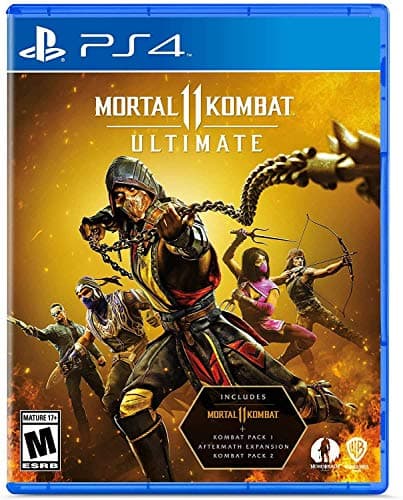
This is the single most useful habit on this page, and the numbers behind it come from publishers, not from us. Look at Mortal Kombat 11 Ultimate: per the Xbox store's own listing, that one box is the base game plus Kombat Pack 1, Kombat Pack 2 and the Aftermath expansion. Four purchases, one disc, one price — and at the live price on the card it costs a fraction of what those four cost separately at launch.
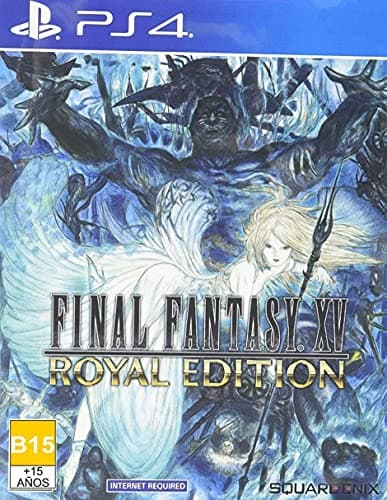
Same story with Final Fantasy XV Royal Edition. PlayStation lists the game's season pass content as "EPISODE GLADIOLUS, EPISODE PROMPTO, MULTIPLAYER EXPANSION: COMRADES and EPISODE IGNIS", and lists the Royal Edition — the box that folds that content in along with a new dungeon, a first-person mode and extra gear — at $34.99. The disc on the card above is below that. A player who bought the base game and the pass separately in 2017 paid roughly three times what the complete box costs today, for the same content.
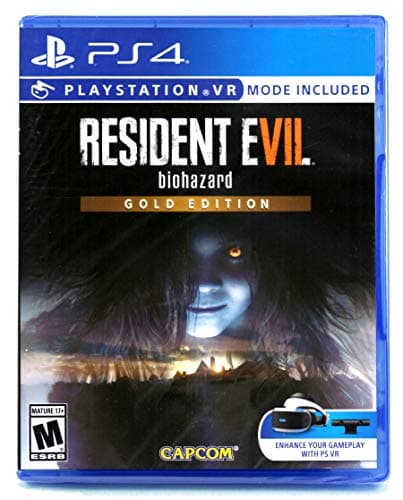
And Resident Evil 7 Biohazard: Gold Edition is the horror-shelf version of the same trick: the Gold box folds in the extra story chapters that were sold as add-ons, which is why it, and not the plain disc, is the pick we rank on best cheap horror games.
How to tell whether the pass content is in the box
Read the suffix and then verify it, because the suffix is marketing and the contents list is not. The words that usually mean "pass included" are Complete, Ultimate, Gold, Royal, Definitive, Game of the Year and Deluxe — but usually is not always, and Deluxe in particular often means cosmetics rather than content. We decode the whole vocabulary in what does definitive edition mean.
The reliable check takes thirty seconds: open the game's page on the publisher's own store, find the Editions section, and read what each edition lists. That is exactly where every claim on this page came from. If the edition you are looking at does not name the expansions, assume they are not in it.
The trap: a pass that costs more than the game
Add-on prices do not fall the way disc prices do, and that produces some genuinely silly arithmetic on an older game. PlayStation lists Assassin's Creed Odyssey's base game at $59.99 and its Gold Edition — the one whose listing names Two Major Story Arcs, a Day 1 bonus mission, AC III Remastered and AC Liberation Remastered — at $99.99. The disc of the base game has long since fallen out of that neighborhood; the forty-dollar gap between those two editions has not moved at all. The same is true of Elden Ring, whose $39.99 expansion now costs more than its base disc.
So the rule we use: never buy the pass or the expansion until you have finished the base game and want more of it. By then the complete edition often exists, and it is nearly always the cheaper way to end up owning the same files. If a bundle price looks too good to be a coincidence, check it against how to spot a fake game discount first.
When the pass content is genuinely still separate
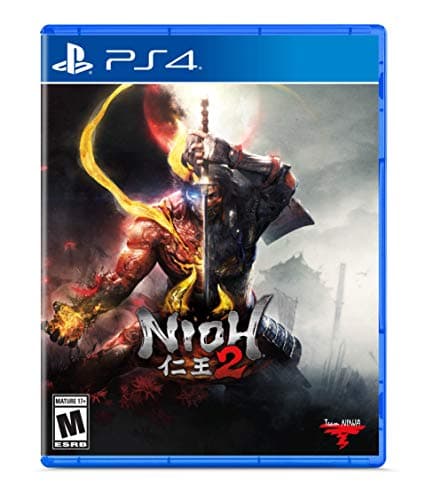
Our fourth pick is here to keep this page honest. Nioh 2is excellent and the cheap disc is the base game: PlayStation states that its three expansions — The Tengu's Disciple, Darkness in the Capital and The First Samurai — are "available separately or together as part of the Season Pass," and lists a Complete Edition as its own product. Buying the cheap disc is still the right call for most people, because the base game is enormous; you just need to know going in that the expansions are not on it.
That is the whole skill this page is trying to teach. Not "avoid passes" — it is "know which of the two products in front of you contains the thing you want, and which one is charging you twice for it." The games where the answer is most flattering to the patient buyer are collected in best cheap game collections, and the souls shelf is a particularly clean example — which Dark Souls game to play first comes down to which box bundled its expansions and which did not.