"Definitive Edition" has no agreed meaning and nobody enforces one. In practice it usually means the base game plus the downloadable content, in a single box, at one price— and when it does, it is almost always the version a budget buyer should buy, because the alternative is purchasing the same content in pieces at a higher total.
The words that usually signal bundled content are Definitive, Complete, Gold, Ultimate, Game of the Year, Royaland occasionally a studio's own invention like The Fire Fades. The words that usually signal cosmetics or pre-order extras are Deluxe, Special and Collector's. Neither list is a rule. The only reliable method is to read what the publisher states the edition contains, which is why every example below is sourced.
Why this matters on a budget: a season pass is a second purchase. PlayStation's own support documentation on add-ons and DLC explains that add-on content is tied to the account that bought it, so expansions bought piecemeal later do not travel with the disc and cannot be lent, resold or shared the way the disc can. Assassin's Creed Odyssey makes the arithmetic visible: PlayStation lists the Season Pass as shipping with the Gold Edition at $99.99 — and the standard disc, bought two years late, costs a fraction of that without the expansions.
So the decision rule is short. When the loaded edition and the standard edition sit in the same price bracket, buy the loaded one. When the loaded edition costs materially more and the extras are cosmetic, buy the standard one. Check the live prices rather than the names, every time — the names do not move but the prices do.
The four discs below are the clearest examples on our shelf of a suffix that genuinely earns its place: a base game and both expansions, a base game and every DLC fighter, an expanded re-release with a new chapter, and an expanded re-release with a new story mode. Live prices are on the cards, dated.
The suffixes, decoded
Definitive / Complete / Gold / Ultimate — usually the base game plus the DLC
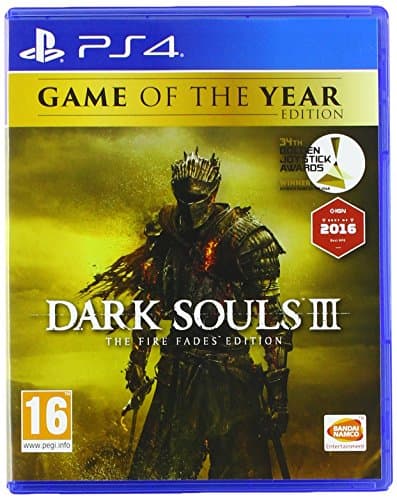
Dark Souls III: The Fire Fades Edition is the cleanest case. Bandai Namco's own announcement describes it as the base game bundled with both expansions, Ashes of Ariandel and The Ringed City. Two expansions are not a cosmetic upgrade; they are the reason this is the top pick on best cheap soulslike games.
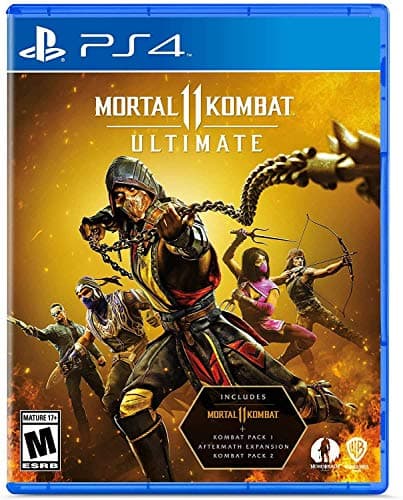
Mortal Kombat 11 Ultimate does the same for a fighting game: the Xbox store listing for that edition describes it as the base game with Kombat Pack 1, Kombat Pack 2 and the Aftermath expansion, which is the whole of that game's DLC history in one case. That is why it beats the newer game in Mortal Kombat 1 vs Mortal Kombat 11.
Royal / Reload / S — an expanded re-release, not a bundle
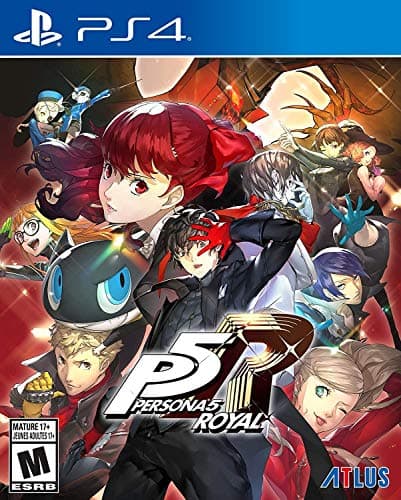
These are different, and more valuable than they sound. PlayStation describes Persona 5 Royal as the expanded version of Persona 5, with new characters and confidants, new locations and an extra end-game chapter. That is not DLC bundled in; it is new content made for the re-release.
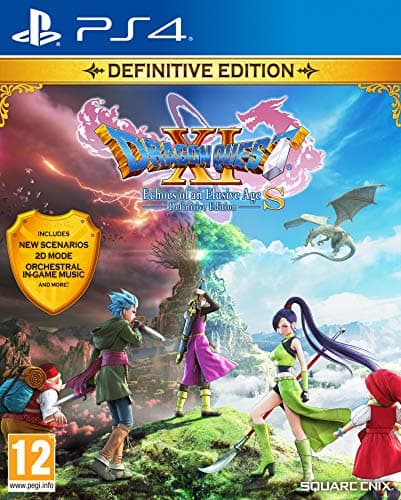
Dragon Quest XI S: Echoes of an Elusive Age — Definitive Edition is the same species: PlayStation's own announcement framed the Definitive Edition as the expanded version of the original release. When a suffix means "more game was made for this", it is the version to own, and the original becomes redundant. Which is the choice we walk through in which Persona game to play first.
Deluxe / Special / Collector's — usually cosmetics
Here the suffix frequently buys you a soundtrack, an art book, some in-game currency or a costume pack. PlayStation lists a Deluxe Edition of Resident Evil 2 separately from the standard game, for instance, exactly as it lists a Gold Edition of Resident Evil 7 separately — same shelf, very different value propositions.
Our standing position on this site is that cosmetic bundles are the worst value in gaming, and it is the skip pick on best value games for that reason. When a Deluxe edition costs more than the standard disc, read the contents list and assume the extras are worth nothing unless the publisher names actual playable content.
Why the loaded edition is usually cheaper in total
Because expansions do not get discounted the way base games do. A publisher cuts the price of a base game to recruit new players and leaves the DLC near its original price, since only existing players buy it. Over a couple of years that produces the situation this page exists to explain: the bundle costs less than the base game plus its add-ons, often by a lot.
There is also a portability argument. PlayStation's support documentation notes add-on content is tied to the account that purchased it — so expansions bought separately stay with your account while the disc can be lent or resold. If that matters to you, the bundle is the only version that keeps the whole game together, which we come back to in are used games worth it.
The two-minute check before you buy any edition
First, find the publisher's own contents list — the PlayStation or Xbox store page, or a press release. Second, count playable content only: expansions, extra campaigns, extra characters, extra games. Third, compare the live price of the loaded edition against the standard disc.
If the gap is small and the contents list names real content, buy the loaded edition. If the gap is large, or the contents are a soundtrack and a skin, buy the standard disc and spend the difference on another game from best games under $20. For the other half of the labelling problem — Remastered versus Remake — read remaster vs remake.