A remaster is the original game with its presentation brought up to date: same code, same levels, same design, running at a higher resolution. A remakeis a new game built from scratch that follows the old game's story. For a budget buyer the difference is money: remasters land in the twenty-dollar bracket within a couple of years, and remakes are priced like the new releases they actually are.
That is the whole answer, and if you only read one more sentence, read this one: on value, remasters win almost every time — and the best of them bundle DLC the original sold separately, which is how a fifteen-year-old game ends up containing more than a new one.
The complication is that the industry uses these words loosely, and store pages do not enforce them. Four labels do most of the confusing. A port moves a game to new hardware with little else changed. An HD remaster is a resolution and asset pass. A remaster may also add quality-of-life changes and bundled content. A remakerebuilds the thing entirely, and may change the genre underneath the title — a 1998 survival-horror game can come back as a modern third-person shooter with the same name and the same characters.
The practical risk is a name collision. PlayStation lists one of the discs we rank most highly as "resident evil 4 (2005)", with its PS4 release dated August 29, 2016 — and there is also a 2023 Resident Evil 4, a full remake, sold under the exact same title at several times the price. Which one a given listing means is frequently ambiguous until you check the year.
So before the picks, the rule: check the release year, the platform and the word after the title, in that order. The four discs below are the clearest teaching examples on our shelf — three remasters with different levels of ambition, and one remake that is worth its price. Live prices on the cards, dated.
How to read the label and decide
The best remasters bundle the DLC — and that is where the value is
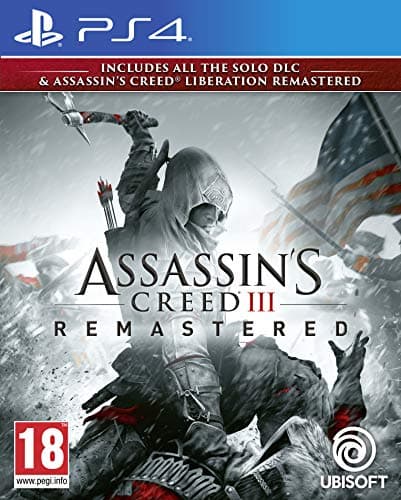
Assassin's Creed III Remastered is the example to remember. PlayStation lists it as the base game plus Assassin's Creed III Liberation and all original solo DLC, including The Tyranny of King Washington, with 4K resolution and new character models. That is two games and a full expansion in a twenty-dollar case.
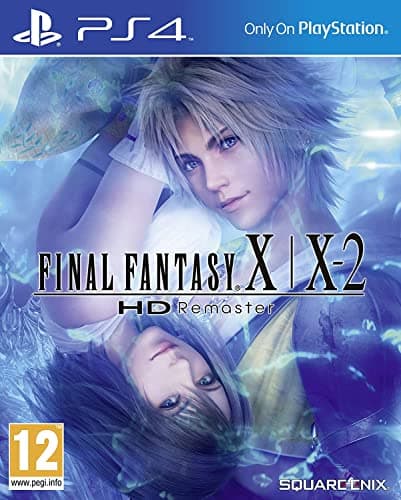
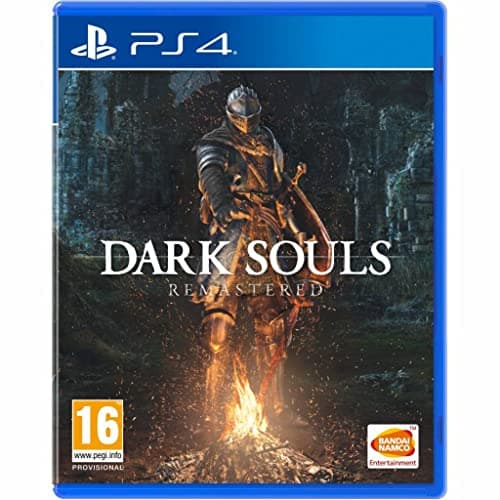
Dark Souls: Remastered does the same trick more quietly — the 2011 original rebuilt for modern hardware with the Artorias of the Abyss content included. And Final Fantasy X/X-2 HD Remaster goes furthest: two complete games in one box. When you see a remaster whose contents list runs longer than the original release, that is the single best value signal on the shelf. We rank these cases specifically in best cheap game collections.
A remake can be a different genre with the same name
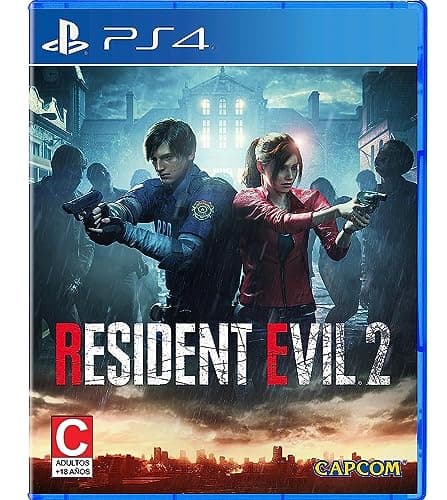
Resident Evil 2 is the useful counter-example, and the reason it earns a place on a value page despite being a remake. PlayStation lists it as released January 25, 2019, 1 player, offline play only, PS4 Pro Enhanced. The 1998 game it is named after had fixed camera angles and tank controls; the 2019 game is an over-the-shoulder modern horror game. Same story, same characters, different genre.
This is why "remake" is not a warning label. It is a statement that you are buying something new, which has two consequences: it costs more for longer, and it may not be the experience the original was praised for. Buy a remake when you want the modern version; buy a remaster when you want the game people were actually talking about. Our head-to-head between a remake and an original in this series is Resident Evil 2 vs Resident Evil 4.
The price curve is different, and it is predictable
Remasters are re-releases of amortised games, so publishers price them to move: they launch low, discount early and settle quickly. Remakes are flagship products with marketing budgets and $69.99 price tags, which means they follow the current-gen curve we document in best cheap PS5 games— eighteen months or so before they are budget purchases.
The budget strategy that falls out of this is simple. Buy the remaster now and the remake later, when it has finished falling. Every pick on this page except the remake has already found its floor, which means waiting buys you nothing; the remake is the one where the game sale calendar is worth consulting.
Watch for the name collisions specifically
There are two Resident Evil 2s (1998, 2019) and two Resident Evil 4s (2005, 2023). The same pattern recurs across the industry, and the price gap between an original and its remake is routinely three or four times. PlayStation's own listings include the year where the collision exists, which makes them the most reliable tiebreaker available.
Three habits prevent every version of this mistake: read the release year on the store listing; read the platform, since a remaster often exists on hardware the original never did; and read the word after the title. If a listing gives you none of the three, treat the listing as the problem and buy elsewhere. The wider version of this skill is how to spot a fake game discount.
When the original is the better buy than either
Sometimes neither label is worth paying for. If a game's original release still runs on hardware you own and the remaster adds only resolution, the remaster is a cosmetic upgrade at a cost — the same judgment we make about cosmetic add-ons on best value games.
The test we apply: does the new version add content or only pixels? Content — bundled DLC, an extra game, a new chapter — justifies the purchase. Pixels rarely do, unless the original is genuinely unplayable on a modern television. For the edition suffixes that signal added content, read what does definitive edition mean.