Because publishers moved the standard launch price up and enough people paid it. The current shape of the market is easy to see on the storefronts themselves: PlayStation lists recent big releases at $69.99, Nintendo's own store listing for Mario Kart World on Switch 2 carries a $79.99 price, and Microsoft publicly announced $79.99 first-party pricing in 2025 and then reversed it, saying its full-priced holiday releases including The Outer Worlds 2 would stay at $69.99. That is where things sit: $69.99 is the standard, $79.99 is the thing being tested.
You will see a lot of argument about whether that is justified — development costs, team sizes, inflation against the $59.99 price that held for most of two decades. We are not going to adjudicate that, because for a budget buyer it does not change what to do. The only number that matters to you is the gap between the launch price and the price the game settles at, and that gap is now the largest it has ever been.
What actually happened, in order
$59.99 held for a very long time.It was the standard console price across two generations, which is why it still feels like the "real" price of a game to anyone over thirty.
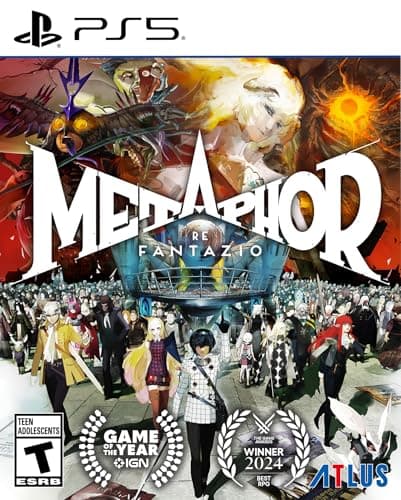
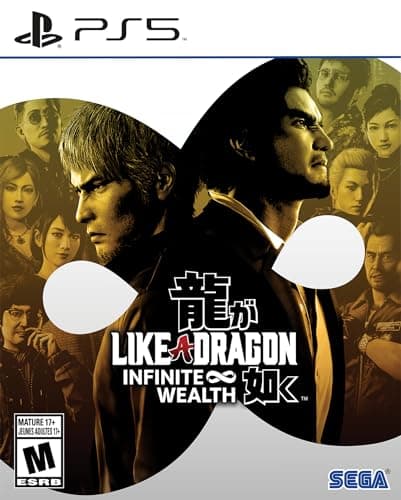
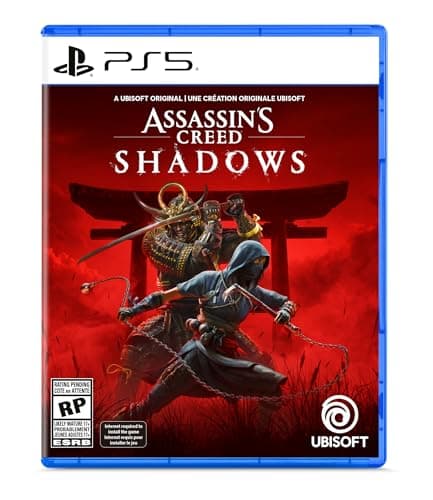
$69.99 arrived with the current generation and stuck.It is now the normal list price for a major release. PlayStation lists Assassin's Creed Shadows at $69.99, Metaphor: ReFantazio at $69.99, and Like a Dragon: Infinite Wealth at $69.99 — three different publishers, one number.
$79.99 was attempted, and partly held.Nintendo's store listing prices Mario Kart World at $79.99. Microsoft announced it would move some new first-party games to $79.99 and then backed down within months, confirming its holiday slate would remain at $69.99. So the $80 game exists, but it is not yet the standard — one platform holder is doing it and another tried and stopped.
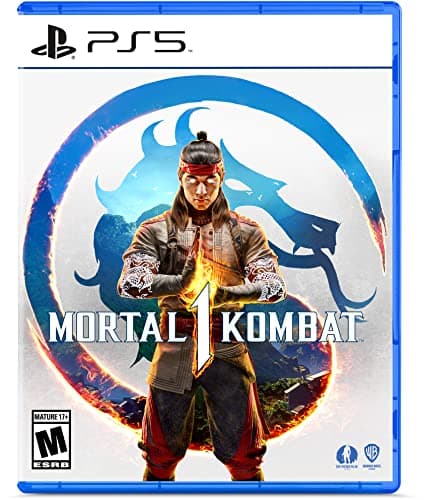
And the editions above the standard edition multiplied. This is the part that gets less attention and costs more money. PlayStation lists Mortal Kombat 1 with a $49.99 standard edition, a $69.99 Definitive Edition and a $79.99 Elder God Bundle; Metaphor has a $99.99 Digital Anniversary Edition and a $79.99 Guidebook Edition above its $69.99 standard. The headline price is increasingly not the price you are being steered toward.
Why a higher launch price is good news if you are patient
Game prices do not drift down gently; they fall in steps at sale events, and the size of the first step is proportional to the starting price. A game launched at $69.99 and discounted 50% at its first seasonal sale saves you $35. The same discount on a $59.99 game saved you $30. Every increase at the top end increases what waiting is worth.
The four picks below are the argument in concrete form. All four launched inside the last three years at full current-generation prices — PlayStation lists Shadows, Metaphor and Infinite Wealth at $69.99, and Mortal Kombat 1 at $49.99 standard with pricier editions above it. All four are now in the territory this site shops in. Nobody who waited missed anything: the games are more patched, the editions are clearer, and the price is a fraction of the launch number.
How to never pay $70 for a game
Decide whether you need it this month, honestly
There are two legitimate reasons to buy at launch: a competitive multiplayer game where the player base matters, and a game you are genuinely going to play this week rather than add to a pile. Everything else is a purchase you could make later for less, with more patches and often with the DLC included. That is the whole thesis of when do games go on sale.
Wait one sale cycle, not one year
You do not have to wait until a game is three years old. Third-party games typically see a meaningful first discount within months and a serious one at the first big seasonal event after that. The calendars are in the Steam sale schedule, the PlayStation Store sale schedule and Nintendo eShop sale dates. First- party Nintendo games are the exception and discount far less, which is covered in how often Nintendo games go on sale.
Ignore the percentage and look at the price
A higher list price makes discount percentages look more impressive without making the price good. "40% off $79.99" is still $48. Compare against what the game has actually sold for before, not against its list price — how to spot a fake game discount and how to track game prices are the two habits that make this automatic.
Buy the standard edition, then the complete edition, and never both
The edition ladder is where the real price increase lives. The honest rule: either buy the standard edition now and accept you will not have the extras, or wait for the complete box that folds them in. Buying a standard edition and then adding content piecemeal is the most expensive route to the same files. See what is a season pass and what does definitive edition mean.
Consider whether you need to own it at all
For some players a subscription genuinely beats buying, and for others it is a recurring cost that replaces nothing. The arithmetic is in are game subscriptions worth it. And a surprising amount of good gaming costs nothing at all — how to get free games legally and the Epic free game are the two routes worth keeping an eye on.