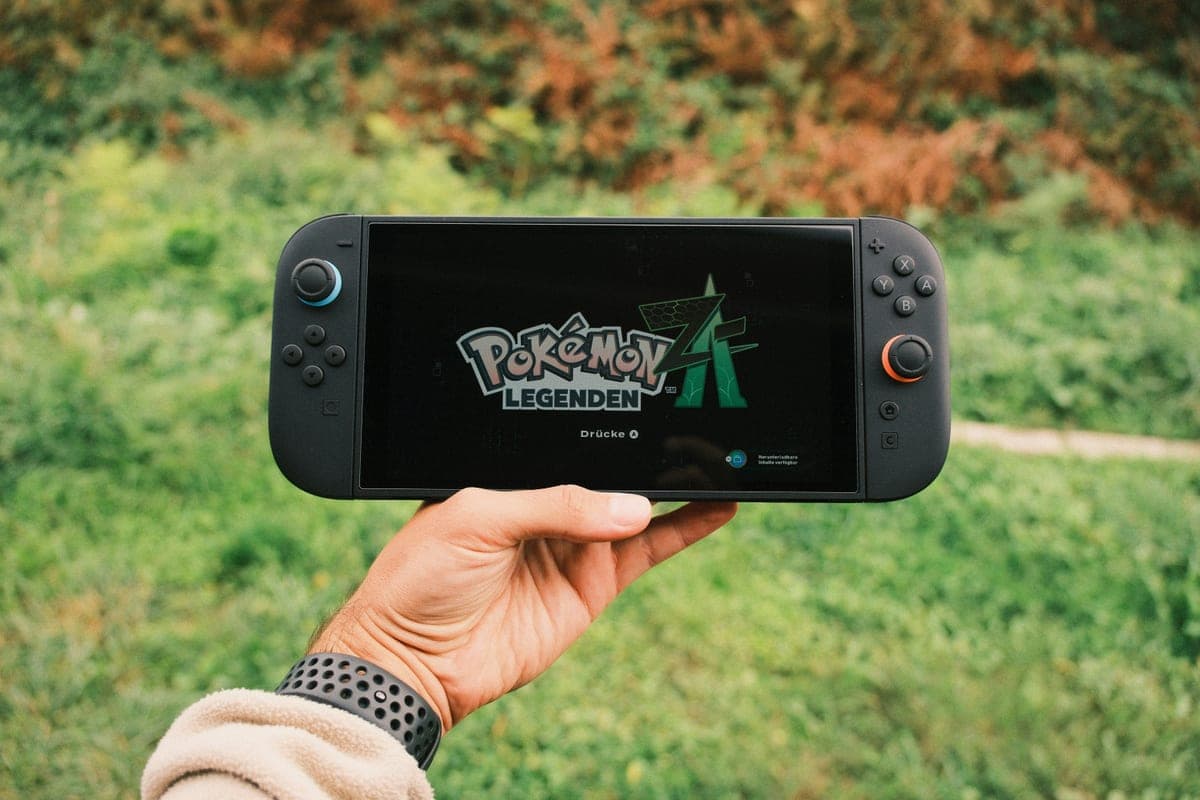
Buying Switch games cheaply is a game of two halves. The third-party and indie catalog is one of the best-value libraries in gaming and discounts constantly. Nintendo's own games are among the most price-stable products in entertainment and barely discount at all. Almost every mistake people make on this platform comes from applying the wrong strategy to the wrong half.
Below are the levers that genuinely work, roughly in order of how much they save. For the question of when discounts land, pair this with how often Nintendo games go on sale and the eShop sale dates.
1. Buy indies on eShop sale, and buy them often
The Switch's best-value games are indies, and they discount several times a year to a well-known floor price. Learn that floor and you never overpay: most of the games on our Switch games under $30 list have a price they return to reliably, and paying it is the whole strategy. Wishlist in the eShop so you get notified rather than checking.
2. Buy first-party physical, never digital
Nintendo controls the eShop price of its own games and holds it for years. It does not control what a retailer does with cartridge stock. That means the realistic discount on a Mario or Zelda game comes from a shop, not from Nintendo — and it clusters around the Black Friday window. A cartridge also keeps resale value, which a download never does.
3. Use Gold Points, because they are the only first-party discount
Digital eShop purchases earn Gold Points, which you can put towards a later eShop purchase. It is a small percentage rather than a real discount, and it will never turn a $60 game into a $30 one — but on first-party games it is the only saving Nintendo reliably offers, so leaving the points unredeemed is throwing away the one lever you have. Check the balance before every purchase.
4. Fund the eShop with a gift card when it makes sense
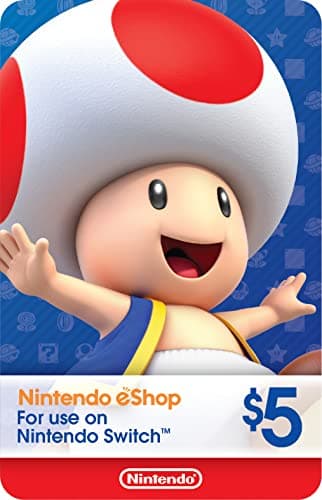
Two situations make an eShop gift card genuinely useful rather than a formality. First, retailers periodically sell the cards themselves at a discount, which is an effective few percent off everything you subsequently buy. Second, it is the safe way to put money on a child's account or gift eShop credit without handing over a payment card. What it is notis a way to beat a price — you still pay the eShop's number.
The pick below is the official card, delivered as a digital code. It is the safe alternative to the discount key sites we warn about in are gray-market game keys safe: an official card cannot be revoked, region-swapped or resold out from under you.
5. Buy second-hand cartridges
Cartridges are physically durable and hard to damage in normal use, which makes the used Switch market unusually safe. For first-party games in particular, second-hand is the only route that takes a large chunk off the price. Check that the case includes the cartridge rather than a download code, which is the one common trap.
6. Consider the subscription for the retro library, not the discounts
Nintendo's online subscription is required for most online play and bundles a library of older Nintendo games. Value it on those two things. It is not a discount program, and buying it expecting sale prices on new releases will disappoint you. Whether a gaming subscription pays off at all is worked through in are game subscriptions worth it.
What to avoid
Discount eShop codes from unofficial key sites. The saving is small, the codes are frequently region-locked to a country you cannot buy from, and a revoked code leaves you with nothing. Nintendo's ecosystem is closed enough that the legitimate levers above are genuinely the whole list.
One thing to check before buying an import or a discounted gift card: Nintendo game cards are region free but eShop credit is not. Are games region locked quotes the rules on both.