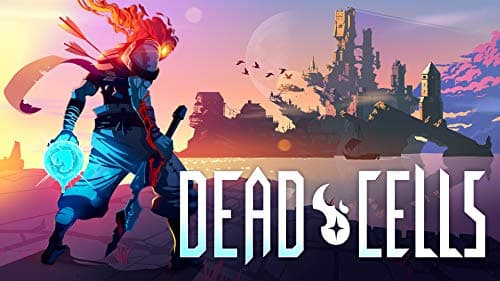
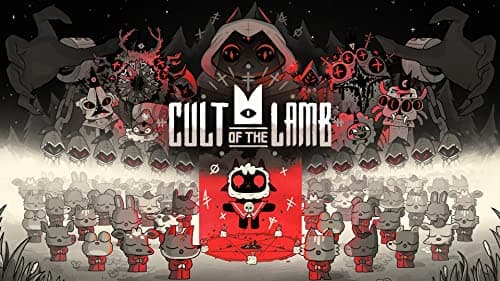
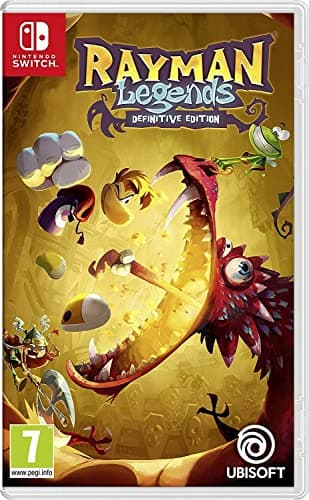
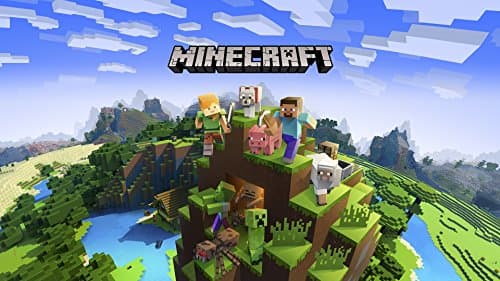
Thirty dollars is the line where buying cheap on Switch stops feeling like settling. Below it sit nearly all of the console's all-time value greats: the indies that defined the machine, a couple of genuine classics, and the co-op games that never leave the dock. Above it you are mostly paying for first-party Nintendo titles that famously never discount.
The ranking below is value-per-dollar, not raw quality — how much genuinely great game you get for the money. Each pick carries its live, date-stamped Amazon price, and where we cannot verify a figure we say "Check price" rather than print a stale one. If your ceiling is lower, start with the best Switch games under $20; for the platform-wide view of buying cheap on this console, see cheap Switch games.
What thirty dollars buys on Switch
The Switch has an unusual price structure: third-party and indie games discount hard and often, while Nintendo's own games hold their launch price for years. That split is the single most useful thing to understand about this tier.
The indies are the value, and it is not close
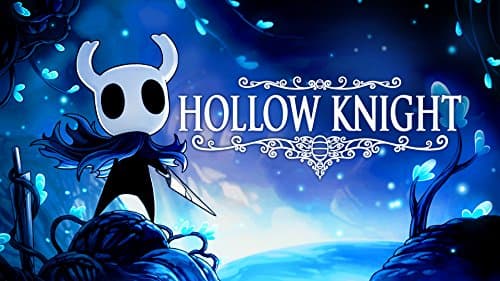
Every pick at the top of this list was built for portable play and hits its best price regularly. Stardew Valley and Hollow Knight are the two best hours-per-dollar buys on the platform, and both cost less than a restaurant meal. There is no version of the value argument where a $60 game beats them.
Cartridge or download changes the math
Physical Switch cartridges can be resold or lent; eShop downloads cannot, but they go on sale more aggressively and never get lost down the back of a couch. If you finish games and move on, buy physical where the price is close and recover some money later. If you keep everything, buy digital on sale. Our physical vs digital guide works through the trade-off properly.
First-party games are a different market
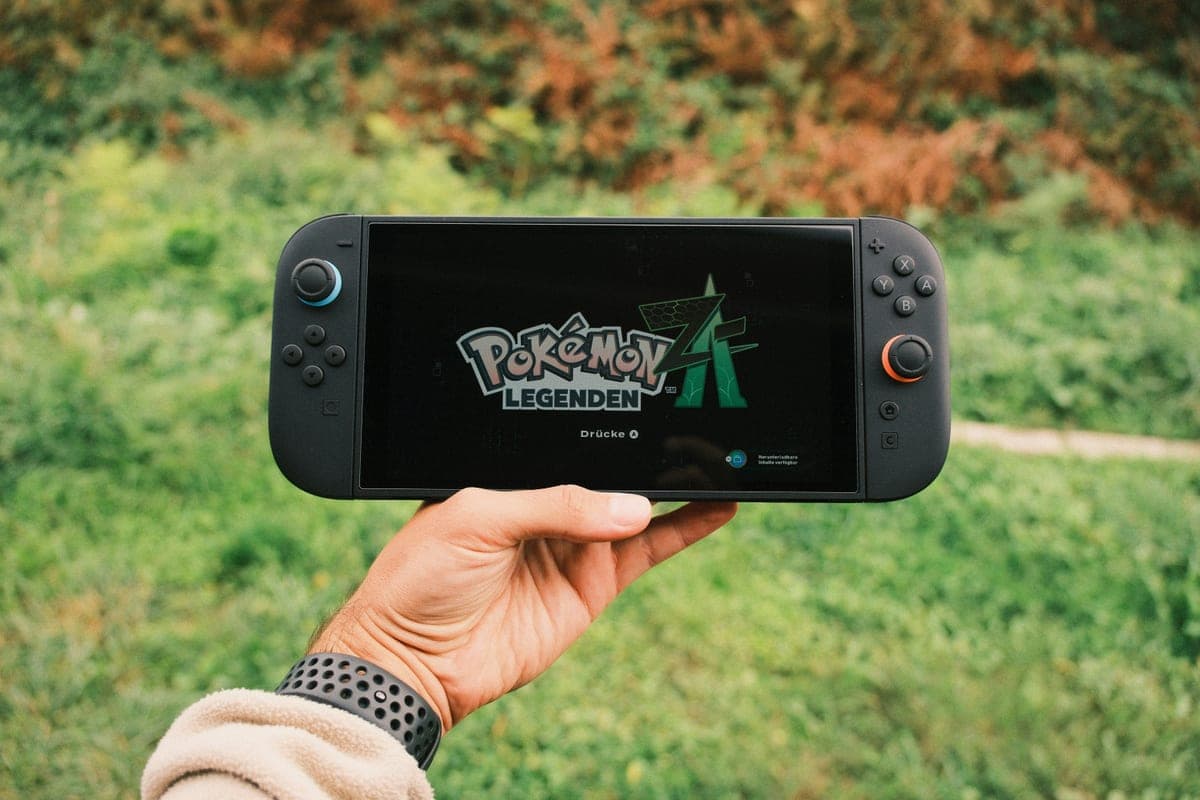
Mario, Zelda and Pokemon effectively do not enter this price band, and waiting for them to is a losing strategy — Nintendo discounts its own catalog rarely, and shallowly when it does. If you want one, the cheapest realistic route is a physical copy in a retailer sale, not an eShop event. We cover the pattern in how often Nintendo games go on sale.
Time it against the eShop calendar
Several picks here dip a few dollars lower during the eShop's recurring seasonal events. If one of those windows is close, waiting costs you nothing; if it is months out, a good current price is the price. The recurring windows are laid out in our eShop sale dates guide, and the platform-specific tactics live in how to buy Switch games cheap.