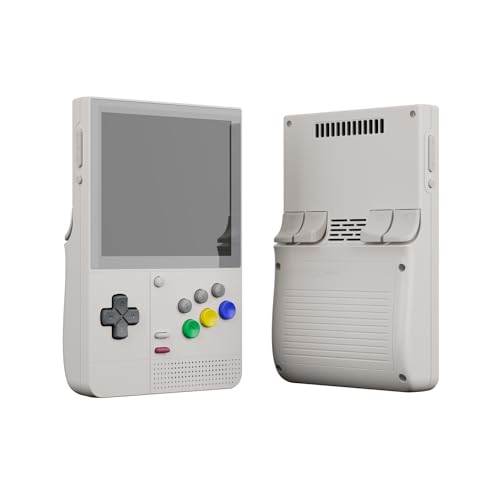
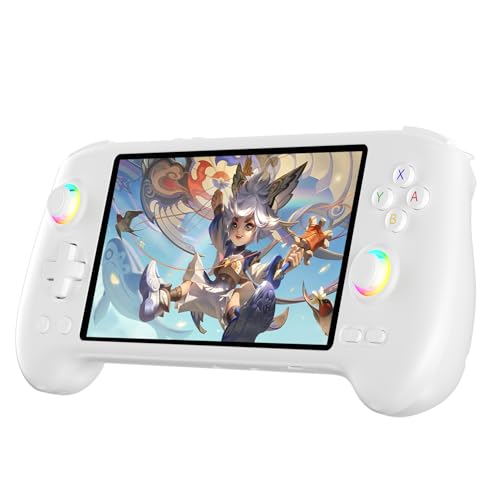
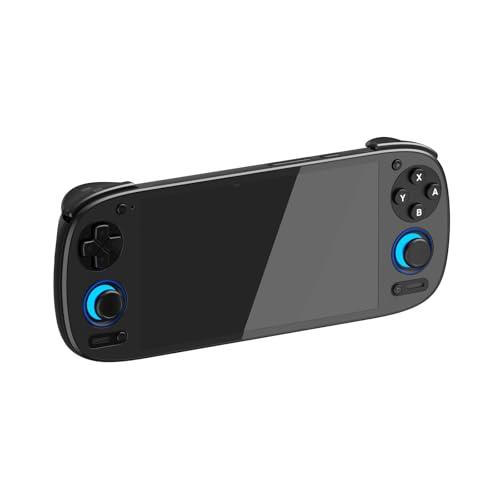
Buy the Retroid Pocket 5. At around two hundred and twenty dollars it is the point where an Android handheld stops being an expensive version of a cheap one and starts being a genuinely different machine: a 5.5-inch 1080p screen, 8GB of RAM, 128GB of storage and an Adreno 650 class chip that reaches the generations a Linux handheld cannot. It is the enthusiast default for good reason. The budget pick is the Retroid Pocket Classic at around a hundred and forty-five dollars — a small vertical device with an OLED screen, for people who want Android in a pocketable shape and do not need the power.
Before the list, the question this page should ask you first: do you need Android at all? If your library stops at PlayStation 1, you do not, and a seventy-dollar Linux handheld will serve you better and last longer on a charge. Android is for the generations above that, for the Play Store, for streaming, and for choosing your own emulators. If none of those is the reason you are here, save the money.
What Android actually buys you
The harder generations
This is the main reason. The Allwinner-class chips in budget Linux handhelds stop at PlayStation 1 with a variable band above it. Android handhelds use phone silicon that is several generations ahead, which is what brings the later consoles into range. Exactly how far up depends on the chip and on the individual title; it is a per-game question, not a per-system one, and anyone presenting it as a tidy compatibility list is simplifying.
Your choice of emulator
A Linux handheld runs the emulators the manufacturer shipped. An Android handheld runs whatever you install, which matters because the emulator scene moves quickly and the best option for a given system changes. It also means setup: you are configuring software rather than booting into a menu. For some people that is the hobby; for others it is the reason to buy Linux.
Everything else a phone does
Play Store, streaming apps, cloud gaming, a browser. An Android handheld is a phone in a controller body, and if you want to stream a modern game to it over Wi-Fi or run a native Android game with real sticks, it does that. A Linux handheld does not and never will.
Who each pick is for
- Retroid Pocket 5 — the default. 5.5-inch 1080p, 8GB RAM, enough chip for the generations you came here for.
- Retroid Pocket Classic — the budget pick and the small one: a 3.92-inch OLED in the vertical Game Boy shape.
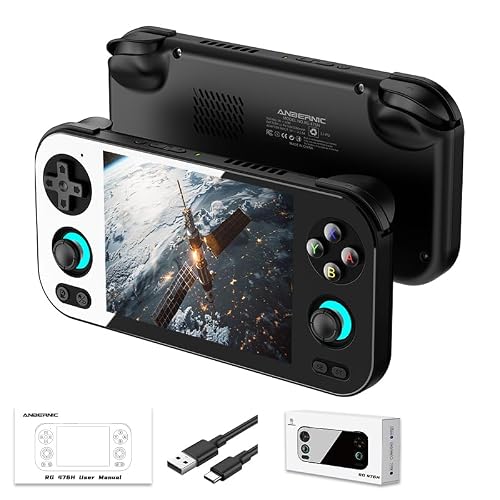
- Anbernic RG476H — the 4.7-inch middle ground, Android 13, 128GB, for people who want Anbernic's build at Android capability.
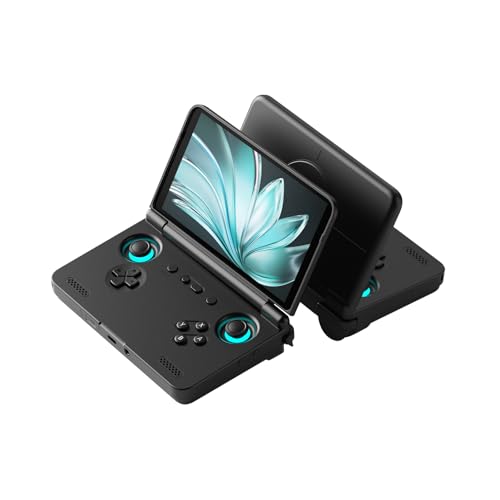
- Retroid Pocket Flip 2 — the clamshell, with a 5.5-inch AMOLED and Hall-effect sticks. The premium folding option.
- Anbernic RG557 — the flagship: Dimensity 8300, 12GB of RAM, 5.48-inch screen. Powerful, and past the budget bracket this site is about.
The price ladder, and where it stops making sense
From about $145 to about $230 the money buys clear, legible things: screen size, screen technology, resolution, chip, whether it folds. Above that, at the $300-plus tier the RG557 occupies, the comparison changes character — at that price a used Steam Deck, or a good phone with a clip-on controller you already own, is a genuine alternative, and both do things a dedicated Android handheld does not. We include the RG557 because it is the top of Anbernic's line and people ask about it, but we are not going to call it a value pick on a site about value.
The other end of the ladder deserves the same honesty. The gap between a $90 Linux handheld and a $145 Android one is not a small upgrade — it is a change of product category, with a different operating system, a different setup burden and different battery behaviour. Crossing it should be a decision, not a drift.
Battery, and the quiet cost of Android
A Linux handheld running a 2D game sips power. An Android handheld is running a phone operating system with a bright, high-resolution screen, and the battery figures reflect it. Every device here carries a large cell — 5000mAh on the Retroid devices — and that is a response to the problem rather than an absence of it. If all-day battery on a flight is your priority rather than raw capability, that is another argument for the cheaper tier.
Controllers and docking
Most of these output to a screen and all of them pair with Bluetooth controllers, so the same living-room setup applies as with the cheaper devices. For modern Android games a twin-stick pad is right — the 8BitDo Ultimate 2 and 2C are both excellent and both pair over Bluetooth. For retro libraries on a television, an SNES-shaped pad suits better. Our budget controllers list has the full ranking.
The legal part, stated plainly
Android handhelds generally ship without a preloaded card, which is one of the cleaner things about the tier. What you run on them is your business; emulators themselves are legal software and the homebrew and freely-distributed-content scene is large. We rank the hardware.
How we ranked these
We did not take these devices apart, run benchmarks on them or award them anything. What we did is the thing the big review sites skip: resolve every model to a live Amazon listing, confirm it is actually in stock, read the specification the seller publishes, and then sort the shelf by what the device physically is and what it costs today. Prices come from the Amazon Product API and carry the date they were read; where we have no verified live price the button says "Check price" rather than showing a number that has rotted. See how we pick and our editorial policy.