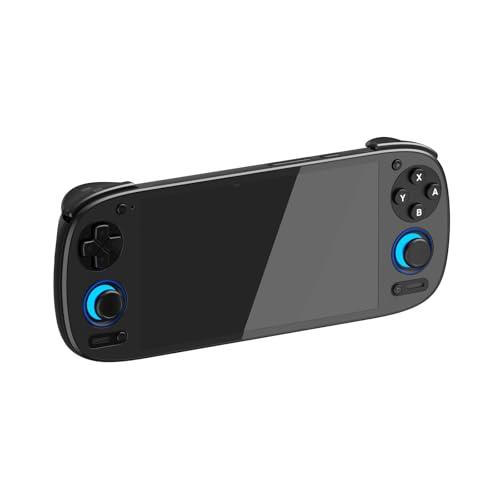
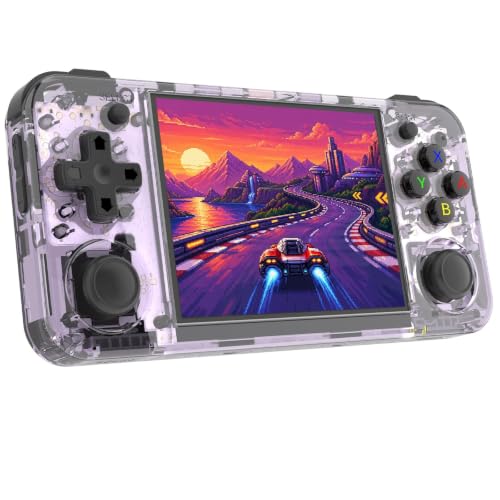
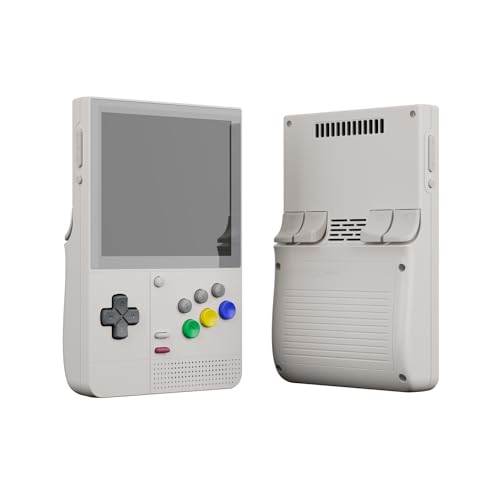
The Retroid Pocket Mini is not sold on Amazon in the US, and we are not going to pretend otherwise to get you to click a button. Searching for it on Amazon returns cases, grips and screen protectors for it — accessories for a device the same marketplace does not stock. Retroid sells the Mini directly, and that is the only reliable way to get one. So this page does two things: it explains what the Mini actually is, and it ranks the small handhelds you can buy today that answer the same want. Our pick of those is the Retroid Pocket Classic— the same company, the same small vertical shape, an OLED screen, and a listing that is in stock. The budget alternative is the Anbernic RG35XX H at under eighty dollars, if what you actually wanted was a small device for 2D classics rather than an Android machine.
If you are set on the Mini specifically, buy it from Retroid. If you want something small, good and available this week, read on.
What the Retroid Pocket Mini is
The Pocket Mini is Retroid's small vertical Android handheld: a compact body in the Game Boy shape, an OLED panel, and Android underneath so it runs whichever emulators and apps you choose. It exists because the rest of the Android handheld market went wide — 5.5-inch screens, 1080p, two-hundred-dollar price tags — and left nothing small. It is well regarded, it is frequently out of stock, and Retroid's own store is where it is sold.
We are not going to describe its performance in detail, because we have not used one and the specification Retroid publishes is the specification Retroid publishes. What we can tell you with confidence is the shape of the decision: small vertical Android handhelds are a narrow category, and there are exactly two serious ways to get one in the US right now.
The two ways to get a small Android handheld
Direct from Retroid
Retroid sells its own devices from its store. That is the route for the Pocket Mini specifically, and it is the route Retroid buyers have always used. The trade-offs are the ones you would expect from buying direct from a Chinese manufacturer: shipping takes longer, returns are harder, and restocks are unpredictable.
The Retroid Pocket Classic, on Amazon
The Pocket Classic is Retroid's other small vertical device, and unlike the Mini it is listed and in stock on Amazon in the US. It has a 3.92-inch OLED touchscreen, 6GB of RAM, 128GB of storage and a 5000mAh battery, and it is the same basic proposition: a small Android handheld in the Game Boy shape. If what drew you to the Mini was "small, OLED, Android, Retroid," the Classic is that, and you can have it this week. That is why it is the pick on this page.
If what you wanted was small, not Android
It is worth checking your own reasoning here, because a lot of Pocket Mini interest is really interest in a small handheld rather than in Android specifically. If your library is Game Boy, SNES, Mega Drive, arcade and PlayStation 1 — and for most people it is — then Android buys you nothing except a bigger bill. A Linux handheld does that job for a third of the money, boots straight into a game menu, and has better battery life because it is not running a phone operating system underneath.
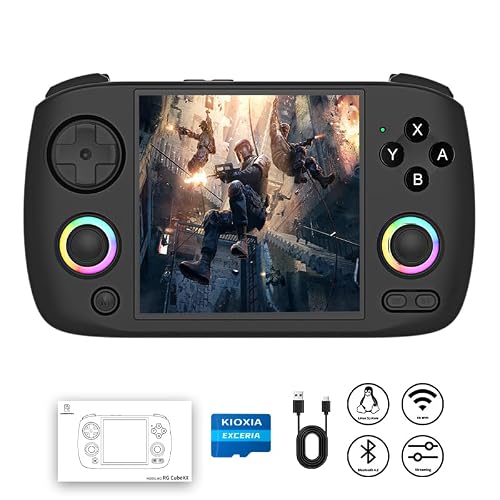
The best retro handheld list covers that tier properly. The short version for this page: the Anbernic RG35XX H is the all-rounder, the Anbernic RG CubeXX is the one to get if your library is arcade-heavy and you want the square screen, and both cost well under a hundred dollars.
Who each pick here is for
- Retroid Pocket Classic — for the person who wanted the Mini: small, vertical, OLED, Android, and actually in stock.
- Retroid Pocket 5 — for the person who will take a bigger device in exchange for a 1080p screen and real power.
- Anbernic RG CubeXX — for the arcade and Game Boy player who wants a small square screen and does not need Android.
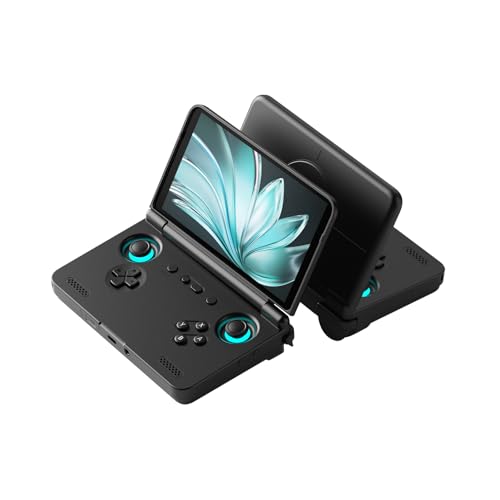
- Retroid Pocket Flip 2 — for the person who wants the premium clamshell and an AMOLED panel, and is not pretending to shop on a budget.
- Anbernic RG35XX H — the budget alternative, for anyone whose real want is a small device for 2D classics.
What we will not do
We will not point a buy button at a listing for a case and call it the device. That is the single most common thing that happens when a handheld is searched for more often than it is stocked, and it is how people end up paying twenty-eight dollars for a screen protector they did not want. Every pick on this page is a device listing, resolved and confirmed in stock. Where the device you asked for is not available, we say so in the first paragraph rather than in a footnote.
How we ranked these
We did not take these devices apart, run benchmarks on them or award them anything. What we did is the thing the big review sites skip: resolve every model to a live Amazon listing, confirm it is actually in stock, read the specification the seller publishes, and then sort the shelf by what the device physically is and what it costs today. Prices on this page come from the Amazon Product API and carry the date they were read; where we have no verified live price the button says "Check price" instead of showing you a number that has rotted. Our how we pick page sets out the full method, and editorial policy covers the rest.
One rule shapes every list in this wave: a handheld is only a good buy if it runs the era you actually want to play. Nearly every unhappy purchase in this category is somebody buying a $77 Linux handheld expecting GameCube, or a $220 Android handheld to play Game Boy. The screens all look the same in photographs; the chips do not.