A gaming headset does two simple jobs: let you hear the game and let your friends hear you. Both of those are effectively solved at around thirty dollars. Spend more and you buy comfort refinements, wireless convenience and marketing — not a fundamentally better ability to play or chat. For the value buyer, this is one of the easiest categories to shop cheaply and feel zero regret.
There are only two picks here, and that's on purpose: the comfortable all-rounder and the rock-bottom option that still works. Below the picks, the buyer's guide covers what your thirty dollars actually buys, the one situation where footstep audio is worth paying more for, and whether wireless is ever worth it at this end of the market.
What thirty dollars actually buys in a headset
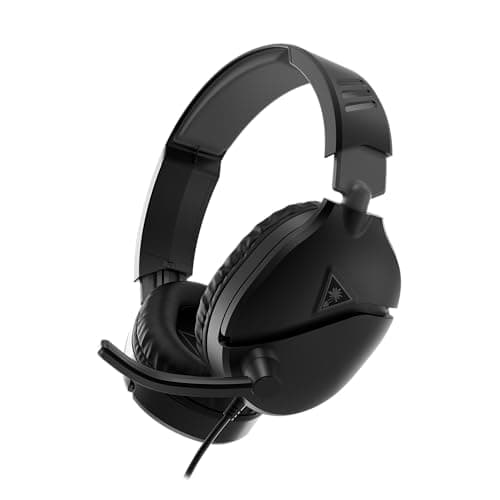
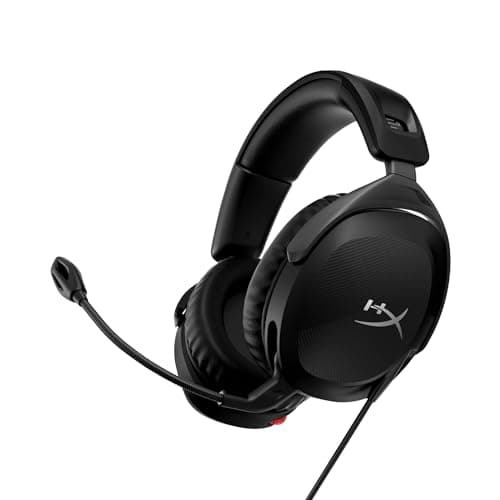
At this price you get a comfortable over-ear fit, clear stereo sound, and a mic your party can understand — which is genuinely all most people need. What you don't get is premium materials (expect plastic, not aluminum), and you don't get wireless. The HyperX Cloud Stinger 2 is the value benchmark here: it is light, it stays comfortable for long sessions, and it sounds like it costs more than it does. The Turtle Beach Recon 70 is the fallback for the tightest budget — basic, but it works on anything with a 3.5mm jack.
The one time footstep audio is worth paying for
There is exactly one scenario where a cheap headset can hold you back: competitive shooters where hearing precise footstep direction is a real advantage. A better headset with cleaner positional audio genuinely helps in games like that. If you grind ranked shooters, that is a fair reason to spend more — and the only reason we'd push you past the budget tier. For everything else — the co-op and single-player games in our cheap co-op list— a thirty-dollar headset is not the thing holding back your performance.
Wired vs wireless headsets
Both picks here are wired, and at this budget that is the right call. Wired headsets never need charging, never drop connection, and put every dollar into the sound and comfort rather than into a radio and a battery. Cheap wirelessheadsets usually cut corners on audio to hit the price. Wireless is worth it once you're spending considerably more and you specifically want to get up mid-session without unplugging — not as a box to tick on a budget buy. The long version of that argument, including where wireless genuinely does win, is in wired vs wireless gaming headsets.
So what should you actually budget?
About thirty dollars, which is where this list sits deliberately. Below roughly twenty you start giving up the padding and the microphone, and above about fifty you are buying materials and features rather than a headset that does the job better. We break the price bands down one by one in how much should you spend on a gaming headset, and if you are buying ahead rather than today, when does gaming gear go on sale has the discount cadence — headsets are one of the most reliably cut categories in November.