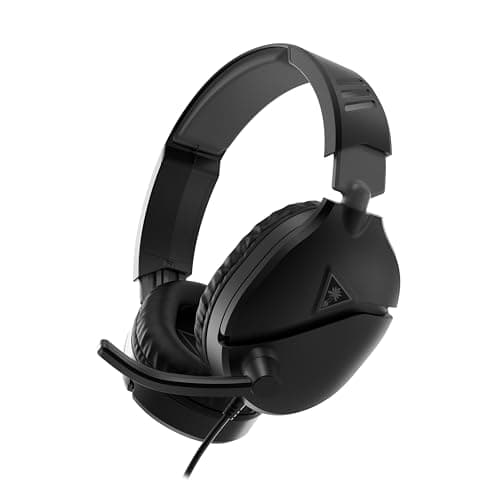
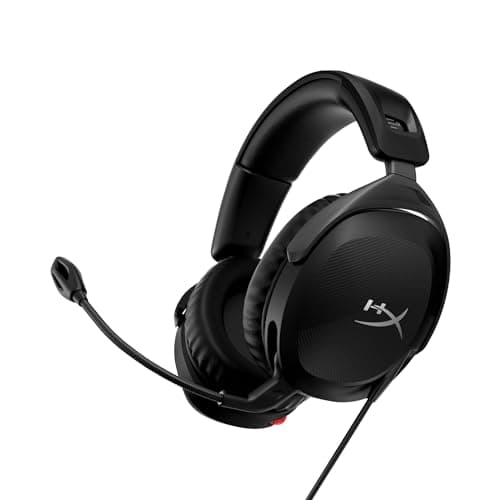
Around thirty dollars. That is where a wired headset stops being a compromise and starts being a product that does the job properly — comfortable for a long session, clear enough for voice chat, and good enough that you stop thinking about it. The HyperX Cloud Stinger 2 is the benchmark for that tier and the one we point most people at; the Turtle Beach Recon 70 is the floor beneath it for a genuinely fixed budget or a second headset.
The useful version of this question is not "what is the best headset" but "where does each extra ten dollars stop buying anything I will notice." Below is a band-by-band answer, and the three specific cases where going higher is the right call rather than a splurge.
What each price band buys
Under about $20: usually a false economy
You can spend less than twenty dollars on a gaming headset. What you generally get is thin padding that hurts after an hour, a microphone your friends will complain about, and a cable that is the first thing to fail. The exception is a spare you keep in a drawer for guests. For a headset you will actually wear, this band is where saving ten dollars costs you the whole purchase.
About $25–$35: the value tier, and where most people should stop
This is the band that changed in the last few years, and it is the reason this page exists. A headset here is comfortable for long sessions, has a microphone that is genuinely fine for party chat and online play, and sounds better than its price in a way you notice in the first five minutes. The money is going into padding, drivers and a usable mic rather than into features. For the overwhelming majority of players — including everyone playing the cheap games this site is about — this is the correct amount to spend.
Worth knowing how far the tier can stretch on sale: in its 2025 Black Friday headset roundup, PC Gamer listed the HyperX Cloud Stinger 2 at $29.98 against a $49.99 list price. That is a cited historical data point rather than today's number — the live price is in the table above, with its own "as of" date — but it tells you what the floor on a good cheap headset looks like when a sale arrives, which is the number to wait for if you are not in a hurry.
About $50–$80: better materials, mostly
Here you buy nicer build, more comfortable headbands, better microphones and sometimes a detachable one. These are real improvements and they are also the definition of diminishing returns: double the money for a clearly smaller step than the one from the sub-$20 band to the value tier. Worth it if you wear a headset for hours every day, or if you record and stream and want the mic to be adequate rather than merely usable.
$100 and up: features, wireless and specialisation
Good wireless, serious positional audio, broadcast-adjacent microphones, charging docks, swap batteries. All real; almost none of it changes whether you can hear a footstep or whether your friends can hear you. Buy at this level because you want the features, not because you expect the game to play differently. If wireless is specifically what you are after, read wired vs wireless gaming headsets first — the budget version of wireless is where this maths goes most wrong.
Three reasons to spend above the value tier
- You wear it for hours, every day. Comfort is the one attribute that keeps improving as you spend, because it is a materials problem. If a headset is on your head for four hours a night, pay for the padding.
- You record, stream or take work calls on it.Budget microphones are fine for party chat and not fine for an audience. The cheaper fix is a standalone microphone rather than a pricier headset — a cheap desk mic beats almost any built-in boom mic at the same total spend.
- You need wireless and want it to be good. Wireless done properly costs money. Wireless done cheaply spends your budget on the radio instead of the sound.
What not to pay for
Virtual surround branding is the big one. Almost every headset in every band claims some form of spatial processing, it is usually software you can get elsewhere, and on a cheap headset it frequently makes things sound worse rather than better. RGB lighting costs money and does nothing for your ears. And "gaming" tuning is a marketing decision, not an engineering one — a well-made cheap headset sounds good because of its drivers and its fit, not because of a label.
Spend the rest of the budget better
A headset is one of four pieces of gear worth owning, and it is not the one with the biggest effect on how much you enjoy playing. If you have about sixty dollars for gear in total, the honest allocation is a thirty-dollar headset and a thirty-dollar pad with drift-proof sticks, not a sixty-dollar headset — our gaming gear for beginners page lays out the whole kit in that order, and accessories under $30 covers what else is worth having.
And if there is money left after the gear, it belongs in the games. Three titles from our best games under $20 list cost less than the step from the value tier to the $80 one, and they are the part of the setup you will actually remember.